How Sleep Deprivation Affects Your Skin (and Fixes)
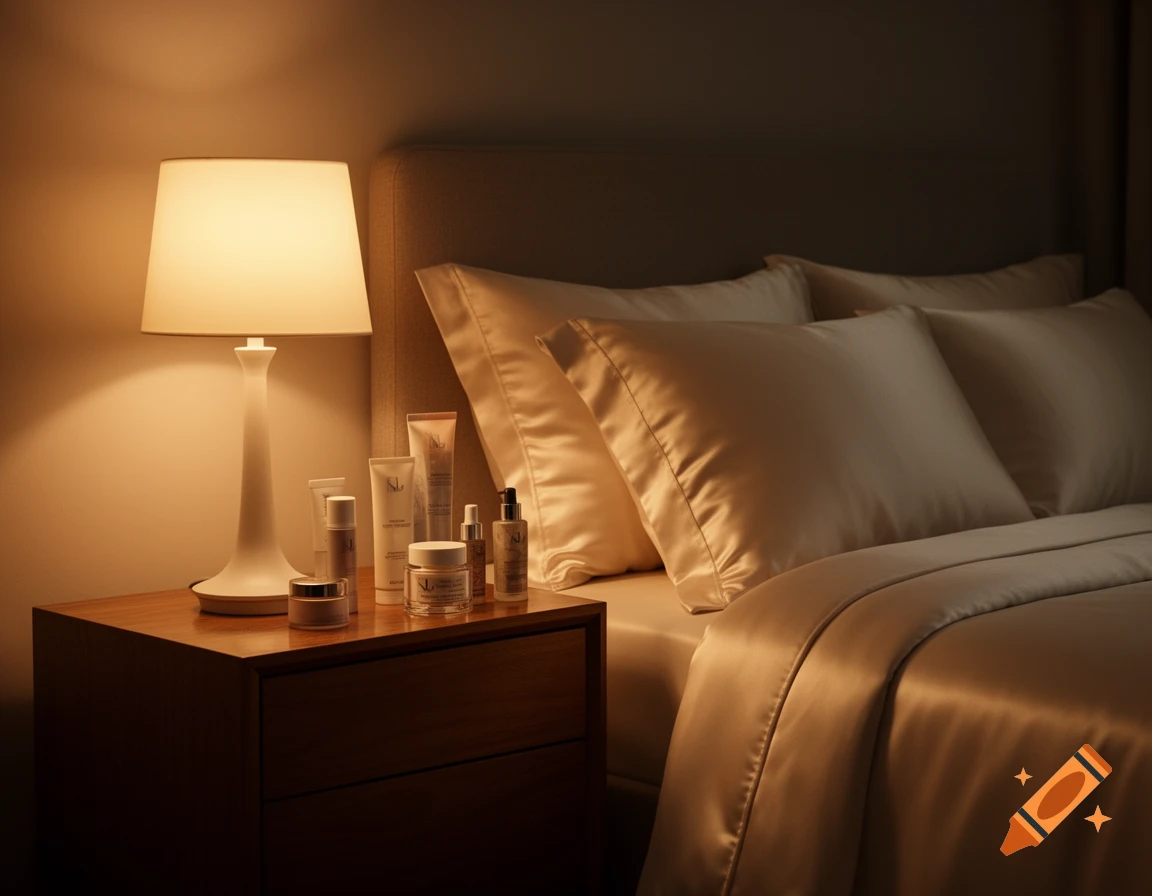
You already know you look rough after a bad night. The mirror confirms what you feel: puffy eyes, dull skin, that grayish tint that no amount of concealer fully hides. But what is actually happening beneath the surface when you run on four hours of broken sleep, night after night?
The answer involves hormones, protein breakdown, and a cascade of skin damage that goes well beyond “looking tired.” Here is what dermatology research tells us, and what you can realistically do about it when “just sleep more” is not an option.
Sleep Deprivation and Collagen Breakdown
When you do not get enough sleep, your body produces more cortisol, the primary stress hormone. That spike does two damaging things to your skin.
First, elevated cortisol increases the activity of matrix metalloproteinases (MMPs), enzymes that break down collagen and elastin. A 2015 study in Clinical and Experimental Dermatology found that poor sleepers showed significantly more signs of intrinsic aging: fine lines, reduced elasticity, and uneven pigmentation compared to good sleepers.
Second, cortisol suppresses fibroblast function. Fibroblasts produce new collagen. So you are losing collagen faster while making less of it. Over months, this shows up as thinner skin, deeper lines, and a loss of that “plump” look.
This is not a one-bad-night situation. It is cumulative.
What Causes Dark Circles from Lack of Sleep
When you are sleep-deprived, blood vessels beneath the thin periorbital skin dilate. Since the skin under your eyes is only about 0.5mm thick (compared to 2mm on the rest of your face), those dilated vessels show through as a dark, bluish-purple shadow. Sleep deprivation also causes fluid retention and puffiness, which casts additional shadows.
Research published in the Brazilian Annals of Dermatology found that sleep deprivation was one of the top lifestyle factors contributing to the severity of periorbital dark circles.
What actually helps: A cold compress for two minutes in the morning constricts those dilated vessels temporarily. Eye creams with caffeine (like The INKEY List Caffeine Eye Cream, around $10) reduce puffiness. Vitamin K creams can help with the vascular component over time.
Your Skin Barrier Falls Apart
Your skin’s outermost layer functions as a barrier that holds moisture in and keeps irritants out. During deep sleep, your body ramps up repair of this barrier. Without adequate sleep, transepidermal water loss increases. Your skin loses water faster, which is why sleep-deprived skin looks dull, feels tight, and shows fine lines more prominently.
A study from University Hospitals Case Medical Center found that poor sleepers had 30% less recovery from skin barrier disruption compared to good sleepers.
What actually helps: Hyaluronic acid serums applied to damp skin pull water into the top layers and hold it there. CeraVe PM Facial Moisturizing Lotion (around $19) contains ceramides and niacinamide that support barrier repair overnight.
Breakouts Get Worse
Elevated cortisol increases sebum (oil) production, which clogs pores. It also triggers systemic inflammation that makes existing breakouts angrier and slower to heal. Sleep deprivation compounds this by weakening your immune response, reducing your skin’s ability to fight acne-causing bacteria. If you have noticed your skin getting worse since your baby was born, sleep deprivation is likely contributing alongside postpartum hormones.
What actually helps: A gentle salicylic acid cleanser (like CeraVe Acne Foaming Cream Cleanser, around $15) keeps pores clear without stripping your skin. Changing your pillowcase every two to three days also makes a real difference.
Your Hair Feels It Too
Sleep deprivation reduces Human Growth Hormone (HGH), which your body primarily releases during deep sleep. HGH plays a direct role in the hair growth cycle, specifically the anagen (active growth) phase.
Chronic sleep deprivation can trigger telogen effluvium, a form of temporary hair shedding. A commentary in the Journal of Cosmetic Dermatology highlighted that poor sleep quality alone can push hair follicles from the growth phase into the resting phase prematurely. For moms already dealing with postpartum hair loss, sleep deprivation on top of that can make the shedding feel relentless.
The good news: telogen effluvium from sleep disruption is reversible. Hair typically regrows within three to six months once sleep quality improves.
Beauty Sleep Tips for Moms (When 8 Hours Is Not an Option)
Here is what actually works within the constraints of real life with kids.
Protect One Chunk of Deep Sleep
Your body does its heaviest skin repair during the first three to four hours of sleep, when you cycle through the deepest stages. Johns Hopkins Medicine recommends that parents split the night: one partner covers 10 PM to 2 AM, the other covers 2 AM to 6 AM. Prioritizing one unbroken stretch of three to four hours over two separate two-hour blocks gives your body more time in deep sleep.
Make Your Sleep Environment Work Harder
When you cannot control quantity, maximize quality:
- Blackout curtains. Even small amounts of light suppress melatonin production and reduce sleep depth.
- Keep the room cool. 65 to 68 degrees Fahrenheit is the research-backed sweet spot for sleep quality.
- Silk or satin pillowcase. Less friction on your skin means less mechanical irritation and fewer sleep creases that become permanent lines over time. Brands like Slip and Kitsch make affordable options.
- No screens 20 minutes before bed. Blue light from phones suppresses melatonin. If you must scroll, use night mode.
Strategic Napping
A 20-minute nap between 1 and 3 PM can partially offset the effects of a bad night. Research shows that even short naps reduce cortisol levels and improve immune function. Set an alarm. Napping longer than 30 minutes can leave you groggy and disrupt nighttime sleep.
Let Your Nighttime Skincare Do Extra Work
Since your skin repairs itself overnight regardless of how much sleep you get (just less efficiently), give it better raw materials:
- Retinol two to three nights per week. The most studied anti-aging ingredient. It boosts collagen production, directly counteracting damage from elevated cortisol. The Ordinary Retinol 0.5% in Squalane (around $9) is a solid starting point.
- A heavier moisturizer at night. A cream with ceramides locks moisture in and supports barrier repair while you sleep, however many hours that turns out to be.
- Niacinamide. Reduces inflammation and supports barrier function. Found in many affordable moisturizers (CeraVe PM, Neutrogena Hydro Boost).
Cut Caffeine by Early Afternoon
Caffeine is fine. Just stop by early afternoon so it does not interfere with whatever sleep you can get. One to two cups before noon will not sabotage your skin.
The Bottom Line on Sleep and Skin
Sleep deprivation triggers a real biological cascade: elevated cortisol, collagen breakdown, barrier dysfunction, increased inflammation, and disrupted hair growth. The effects are cumulative.
You cannot always control how much sleep you get. But you can protect the sleep you do get and support your skin with targeted products that compensate for what sleep deprivation takes away. Focus on one unbroken stretch of deep sleep. Use a retinol and a good moisturizer. Change your pillowcase. That is a realistic starting point, and it is enough.
For a streamlined nighttime routine, see our 5-minute skincare routine for moms. And if winter dryness is compounding the problem, our winter skincare guide covers the exact product swaps to make.